When One-Tap Becomes Too Easy: The Case for Smarter Payment Friction in Canada
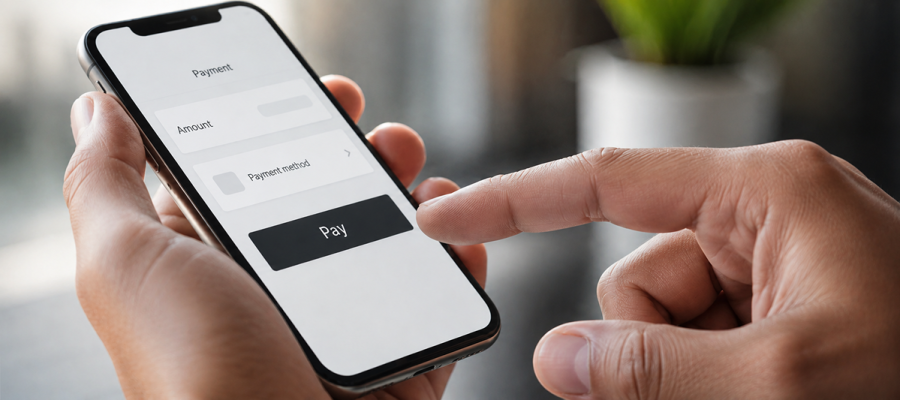
A lot of work has gone into sanding off the sharp parts of the payment process, and we’ve never lived in a time when completing a transaction has been easier or quicker. Canada’s economy is especially geared towards keeping payments friction-free for all sorts of purposes, but doing so comes at its own cost. When consumers don’t have as many obstacles standing between them and a purchase, it’s possible for unhealthy impulses to rule over sensible decisions.
There’s a lot to say for reintroducing a level of friction to payments in this context, so long as it’s done intelligently. Giving consumers time to think without sending bounce rates skyrocketing is good for all parties.
The Budgeting Issue
Having a budget in place is important for everyone, but following through on the best-laid financial plans takes willpower. One-tap payments challenge this, and make it possible for even the most diligent person to slip up day after day.
Even something as simple as being able to pay for a coffee at Tim Hortons by tapping a smartphone or payment card, rather than parting with cash or typing in a PIN, can add up each week. Then at the end of the month, a Canadian consumer might be surprised to see that their discretionary spending has gone beyond their budgeted amount, even if they felt they were being frugal in all other respects.
The Fraud Concern
Frictionless payments also make financial fraud easier to commit. Once a person has their card stolen or credentials snatched digitally, malicious third parties can easily start making purchases with few consequences.
In combination with the likelihood of habitual overspending, the risk of fraud to Canada’s consumers cannot be ignored. Smarter payment friction solves both issues.
A Better Way

A few mechanisms can create minor hurdles to payment that avoid the downsides of the current one-tap setup but still feel slick to consumers.
First, giving people more control over how their spending is managed makes sense. For instance, if a Canadian wants to gamble online, blackjack might be their preferred choice, and they could introduce the option of an impulse cooldown period for spending on this type of activity that kicks in either at a certain time of day or when a certain deposit limit has been met. If a hard limit seems too strict, a notification alerting users when a certain milestone is hit for a particular category of spending can be similarly impactful.
Second, addressing potential finance fraud dynamically, rather than with static limits that might interfere with legitimate use, is necessary. So in a tap-to-pay context, that might mean requiring an additional layer of verification, such as a fingerprint or face scan, if a payment method is used more than 5 times in a short window of time.
Finally, giving consumers the option to undo payments in the immediate aftermath of making them, perhaps giving 60 seconds’ grace, helps with both retail regret and the prevention of scams. A little breathing room goes a long way, and Canada’s consumers can continue spending with smarter friction, not no friction at all.